


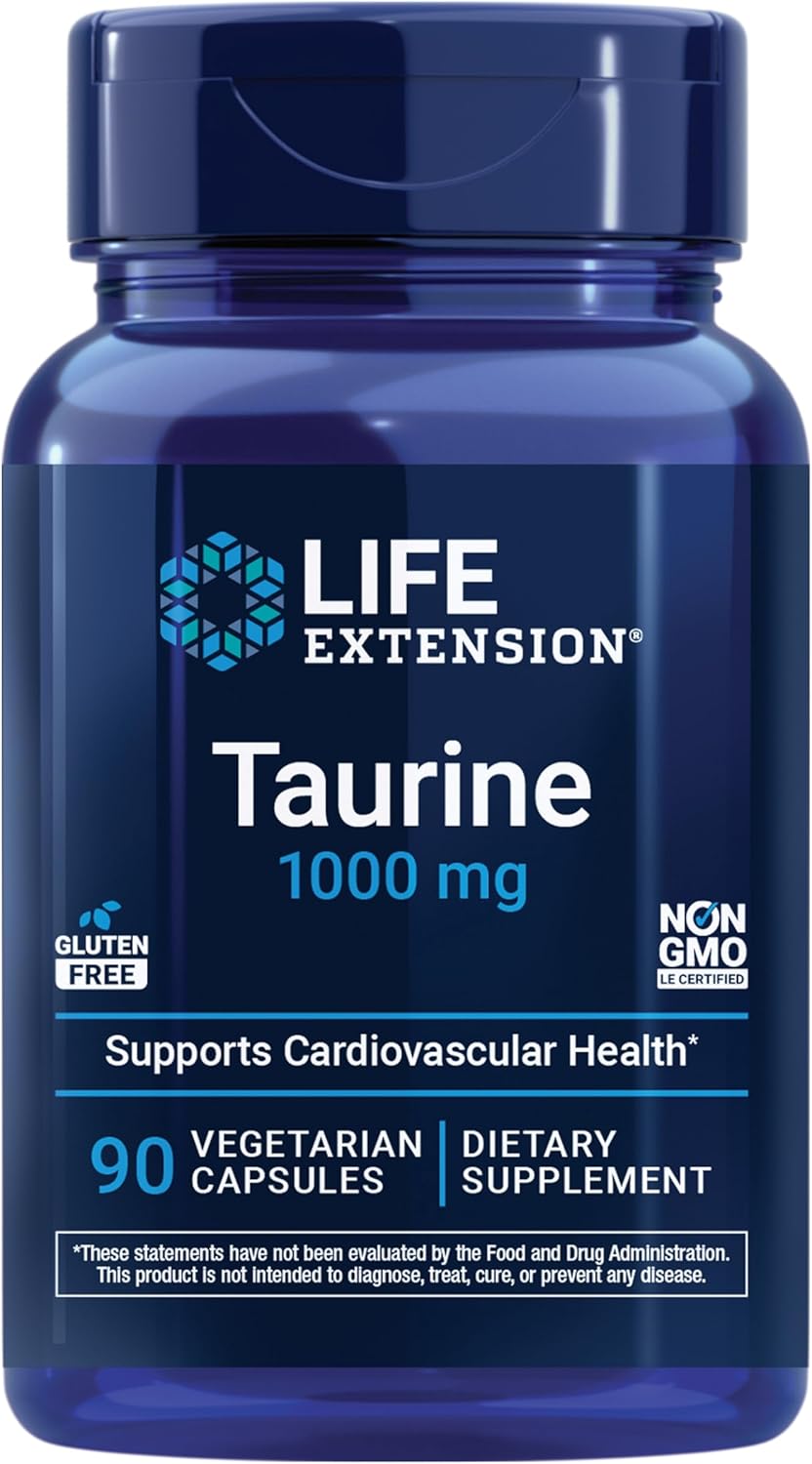
In the world of sports nutrition and anti-aging science, few compounds are undergoing a more dramatic reputational makeover than taurine. For decades, it was misunderstood by the public as nothing more than a synthetic jolt inside sugary energy drinks. Today, it is recognized by longevity researchers, cardiologists, and performance athletes as a foundational element of cellular vitality.
Unlike classic stimulants that artificially force the body into overdrive, taurine operates quietly on a cellular level. It acts as a metabolic stabilizer, an antioxidant armor, and a mitochondrial optimizer. As modern clinical evidence mounts, a crucial question arises: What happens when we replenish our body’s natural reserves of this powerhouse amino acid?
This comprehensive guide details what taurine is, its deep physical and mental benefits, the latest clinical studies, dosage safety, and optimal supplement combinations.
What Is Taurine?
Taurine (2-aminoethanesulfonic acid) is a sulfur-containing amino acid. However, unlike traditional amino acids, it is “non-proteinogenic”—meaning it is not used as a building block to create muscle tissue or proteins. Instead, it acts as a “free agent,” circulating independently within tissues like the brain, heart, retina, and skeletal muscles.
While the human body synthesizes taurine naturally in the liver, its production is limited. Under conditions of physical duress, intense exercise, aging, or illness, metabolic demand outpaces synthesis. This places taurine in a unique category known as a conditionally essential nutrient.
Dietary taurine is found exclusively in animal products, with the highest concentrations occurring in:
-
Shellfish (clams, scallops, mussels)
-
Dark poultry meat
-
Cold-water marine fish (mackerel, salmon)
-
Organ meats
How Taurine Works on a Cellular Level
To understand taurine’s vast systemic benefits, one must look closely at its cellular mechanisms:
-
Mitochondrial Protection: Mitochondria are the power plants of your cells. Taurine acts as a buffer, stabilizing mitochondrial membranes and preventing the degradation of ATP (adenosine triphosphate) production.
-
Osmoregulation: It regulates fluid balance and electrolyte levels within cells, a mechanism vital for proper muscle contraction and cardiac rhythm.
-
Antioxidant and Anti-Inflammatory Signaling: It mitigates cellular oxidative stress by scavenging free radicals and downregulating pro-inflammatory cytokines.
Physical Benefits: Performance, Longevity, and the Heart
1. Cardiovascular Support and Blood Pressure Regulation
The heart demands immense cellular energy to function, making it heavily reliant on taurine. A systematic review published via PMC demonstrated that taurine supplementation significantly improves blood pressure and markers of endothelial function. By assisting with vasorelaxation (the widening of blood vessels), taurine helps reduce systemic vascular resistance, making it an excellent supportive tool for managing hypertension and promoting long-term cardiovascular health.
2. Athletic Performance and Fatigue Management
For athletes, taurine operates as an endurance optimizer. Research published in Frontiers in Nutrition evaluated acute taurine supplementation during high-stress conditions. The findings revealed that taurine prolongs time to exhaustion and enhances sprint performance, particularly in challenging environments. This effect is driven by its ability to clear post-exercise metabolic waste, regulate intracellular calcium, and diminish severe muscle damage caused by eccentric training.
3. Cellular Aging and Longevity
The longevity community shifted its focus heavily toward taurine following a landmark 2023 study published in Science, led by Dr. Vijay Yadav, an assistant professor of genetics and development at Columbia University.
“Taurine abundance goes down with age,” notes Dr. Yadav in a research review provided by ColumbiaDoctors. “So restoring taurine to a youthful level in old age may be a promising anti-aging strategy.”
In animal models, Yadav’s team observed that restoring youthful taurine levels extended healthy lifespans by up to 12%. At the cellular level, the supplement decreased the volume of senescent “zombie cells,” preserved stem cell populations, and reduced chronic, age-related baseline inflammation.
Mental and Cognitive Benefits
While the body of research focuses intensely on physical endpoints, taurine’s role in neurobiology is profound:
-
GABAergic Modulation: Taurine has a molecular structure similar to GABA (gamma-aminobutyric acid), the central nervous system’s primary inhibitory neurotransmitter. It gently binds to GABA receptors in the brain, helping quiet overactive stress pathways and mitigate cognitive anxiety.
-
Attentional Endurance: A double-blind, randomized controlled trial published in Frontiers evaluated a nutritional blend featuring taurine on healthy adults. The study demonstrated significant improvements in motivated behavior and a reduction in attentional lapses during prolonged psychomotor tasks, highlighting its utility against mental fatigue.
Supplement Synergies: What to Pair With Taurine
Taurine is an effective standalone supplement, but its clinical utility is significantly amplified when properly combined with other nutrients:
| Supplement | Synergy Type | Primary Benefit |
| B-Complex Vitamins (B6, B9, B12) | Augments Taurine | Enhances glutathione production in astrocytes and protects brain mitochondria from oxidative stress. |
| Magnesium Glycinate | Augmented by Taurine | Works in lockstep to stabilize the nervous system, lower resting heart rate, and enhance sleep quality. |
| Creatine Monohydrate | Mutual Synergy | Promotes intracellular hydration, muscle cell volumization, and enhanced anaerobic power. |
| Caffeine | Blunts Negative Side Effects | Smoothes out the jitteriness and vasoconstriction associated with high caffeine intake without dulling alertness. |
Safety, Side Effects, and Dosage
Taurine has an exceptionally favorable safety profile. According to comprehensive data available via EBSCO Research Starters, oral doses of up to 3,000 mg (3 grams) per day are widely considered safe for long-term use in healthy adults.
Potential Side Effects
When taken within normal ranges, side effects are rare but can occasionally include:
-
Mild gastrointestinal discomfort
-
Temporary nausea or headaches (especially if taken on an empty stomach)
-
Slight drowsiness due to its calming GABAergic properties
Who Should Exercise Caution?
Individuals with advanced chronic kidney disease should approach taurine with care, as the kidneys are responsible for eliminating excess amino acid metabolites. Additionally, because taurine can lower blood pressure and alter insulin sensitivity, anyone taking prescription anti-hypertensive or anti-diabetic medications should consult their physician before starting supplementation.
Who Benefits Most from Taurine?
-
Plant-Based Dieters: Because taurine is entirely absent from plant foods, vegans and strict vegetarians almost universally exhibit lower plasma taurine levels and stand to benefit significantly from supplementation.
-
Aging Adults: Given that natural synthesis and plasma levels decline steadily with age, individuals over 45 can leverage taurine to support metabolic health, bone density, and cardiovascular defense.
-
Endurance and Power Athletes: Those seeking to accelerate workout recovery times, manage physical heat stress, and stave off training exhaustion.
Final Verdict: Is It Worth It?
Taurine is not a miraculous “elixir of life” that will override poor lifestyle habits. However, it stands out as a highly credible, remarkably safe metabolic catalyst. Whether your goal is optimizing athletic endurance, smoothing out your morning caffeine intake, or protecting cardiovascular structures from the natural degradation of aging, taurine serves as a vital tool in modern preventive health.
Leave a Reply